Technology With Purpose Took Center Stage
CES 2026 wasn’t just a showcase of gadgets and demos — it was a window into how innovation is evolving to address real human needs, cultural transformation, and sustainable leadership.
From AI infrastructure and creator ecosystems to anti-aging solutions and immersive platforms, the trends emerging from this year’s CES reflect a broader shift: technology as enabler, not spectacle.
1. Mission-Driven Innovation Over Flash
While artificial intelligence was everywhere, the most compelling applications were those grounded in clear utility rather than hype. Companies that stood out weren’t trying to impress. They were solving:
-
longevity and quality of life
-
creative decision support and predictive analytics
-
privacy, trust, and responsible AI
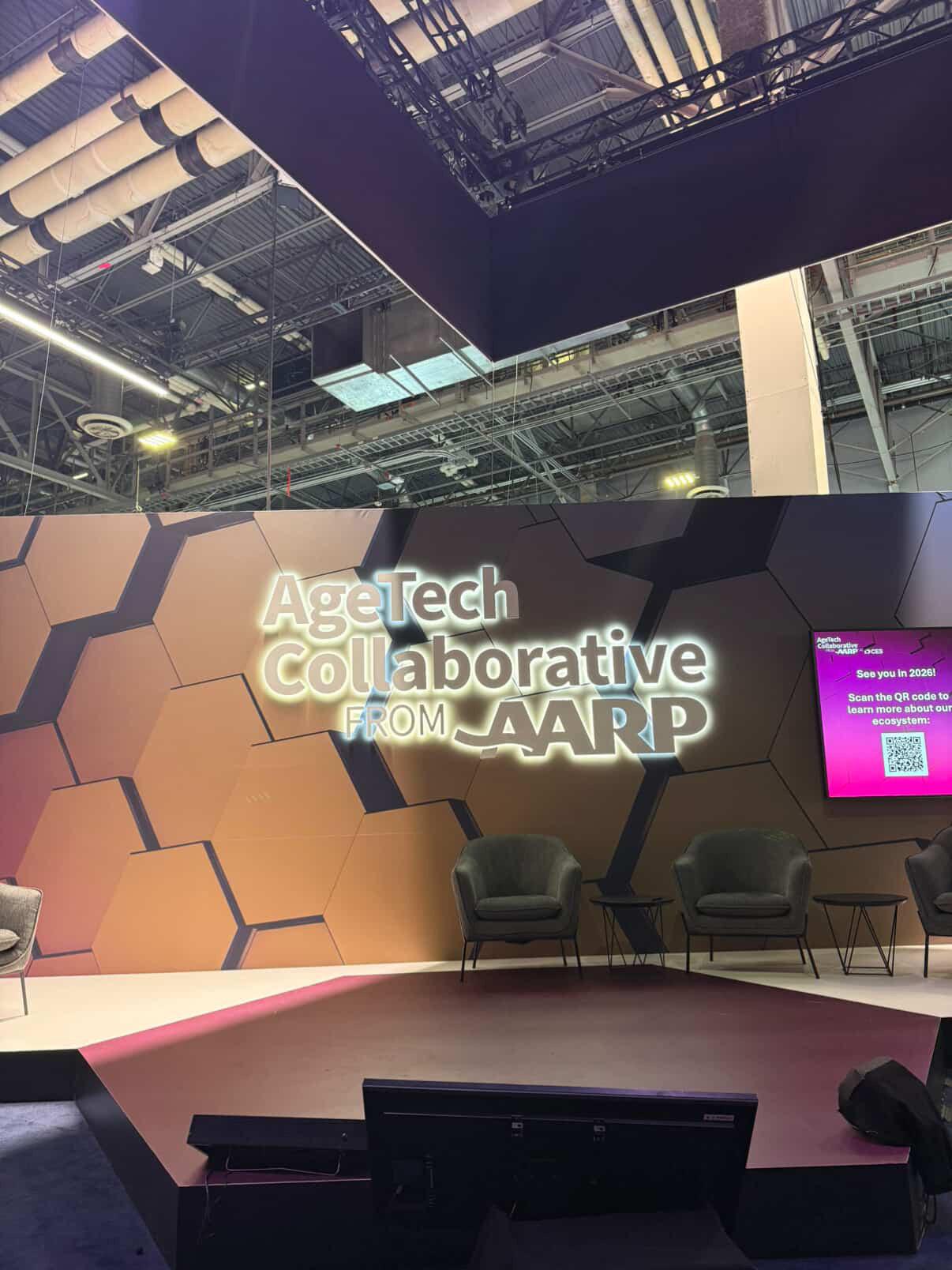
At the AARP AgeTech activation, participants showcased solutions designed for dignity and independence — not novelty. Their presence reframed aging technology as proactive empowerment, not reactive care.
Anti-Aging and Longevity Technology
Hanwei
Known for precision manufacturing and advanced tooling, Hanwei’s presence underscored their historical strength in foundational engineering. Their solutions enable reliability and scale across industries.
Bodyfriend at CES 2026
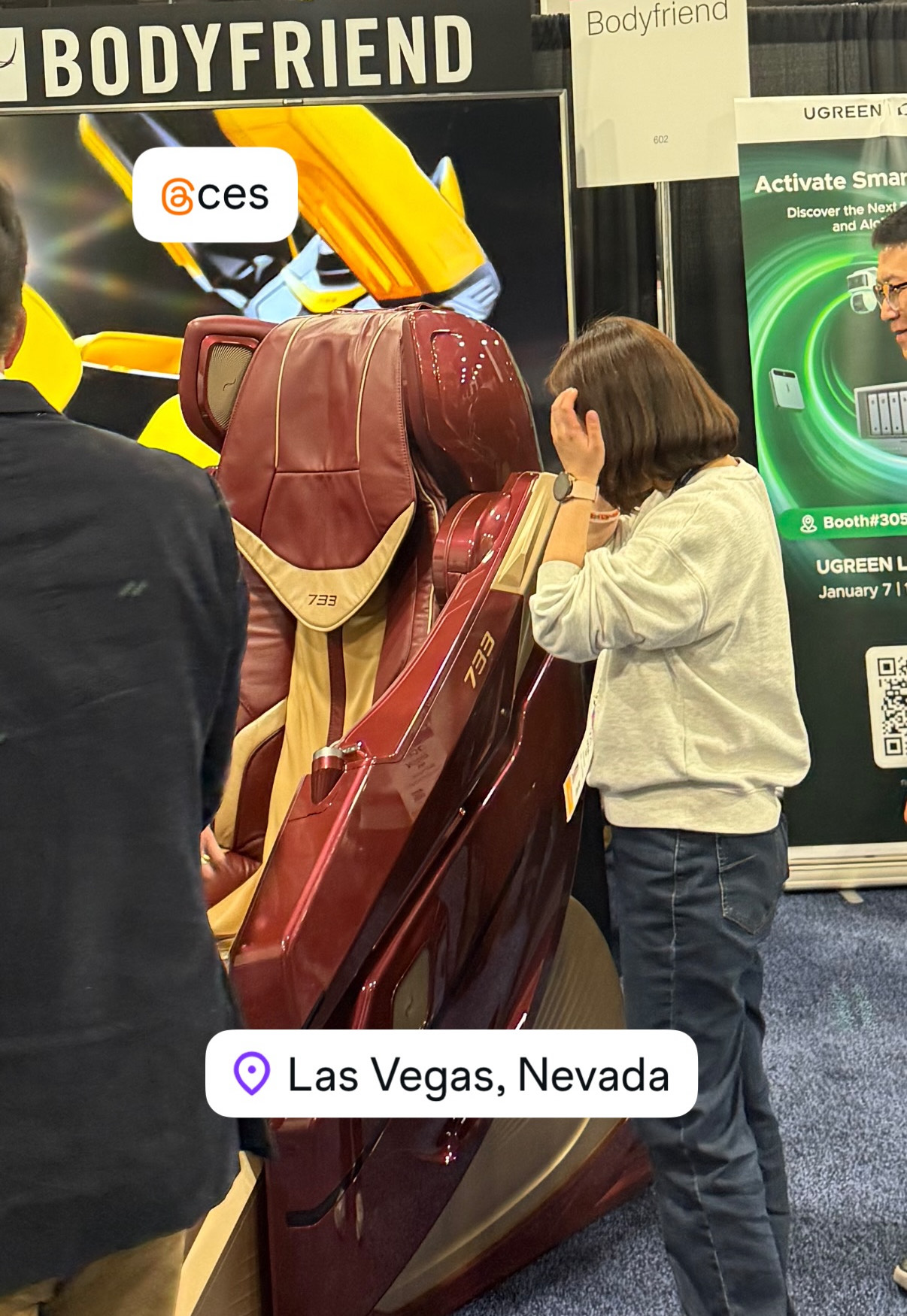
Bodyfriend emerged as a prominent player in CES 2026’s growing anti-aging and longevity technology landscape. With a strong presence across the show floor, the company showcased its robotics-enabled massage and recovery systems designed to support circulation, muscle health, and long-term physical resilience.
Bodyfriend’s technology reflects a shift in how anti-aging solutions are being positioned—not as cosmetic or episodic interventions, but as part of a preventative, daily wellness routine. By integrating robotics, biomechanics, and recovery science into consumer-accessible systems, Bodyfriend demonstrated how longevity-focused technology is moving from niche wellness spaces into mainstream adoption.
At CES, Bodyfriend’s visibility signaled increasing consumer demand for solutions that prioritize recovery, stress reduction, and physical maintenance as essential components of long-term health.
Signal from CES
Wellness as Infrastructure
The presence of companies like L’Oréal and Bodyfriend highlighted a central theme of CES 2026: wellness, beauty, and longevity are no longer adjacent to technology—they are becoming core innovation categories. As AI and advanced systems integrate into everyday routines, the line between health, lifestyle, and technology continues to dissolve.
2. The Creator Economy: Core Infrastructure, Not Side Stage
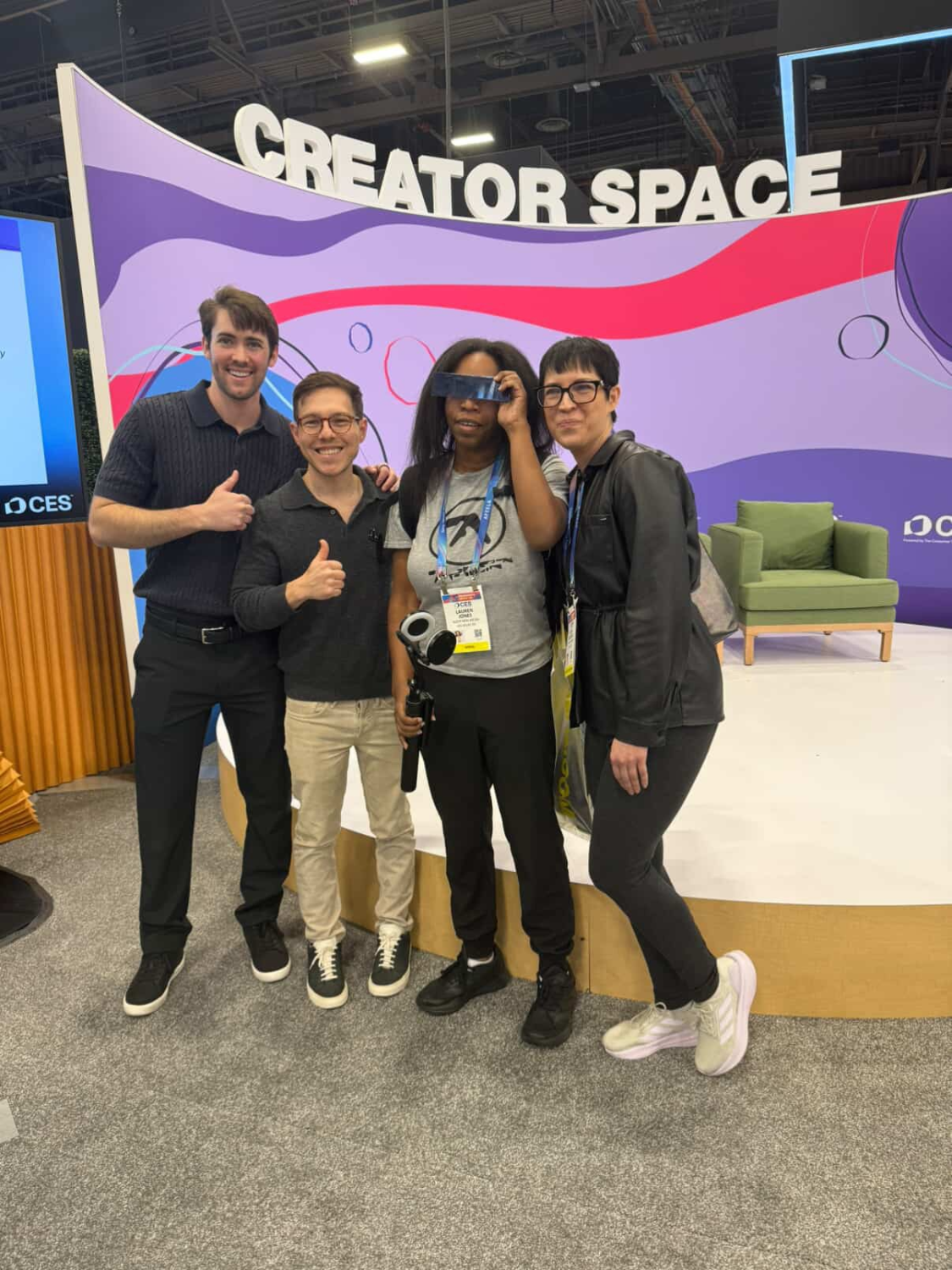
The Creator Space at LVCC demonstrated how the creator economy is now baked into CES itself. Talks, demos, and panels centered on tools and workflows that truly power digital creativity.
The Creator Tech Stack session featured:
-
Uptin Saiidi (Moderator, Creator & Founder @UPTIN)
-
Lucy Guo (CEO, Passes)
-
Colton Potter (Chief Revenue Officer, Linus Media Group)
Their discussion underscored a shift: meaningful creator tools are no longer about bells and whistles — they are about systems that scale community, insight, and monetization.
Public Leadership, Finance, and the Creator Economy
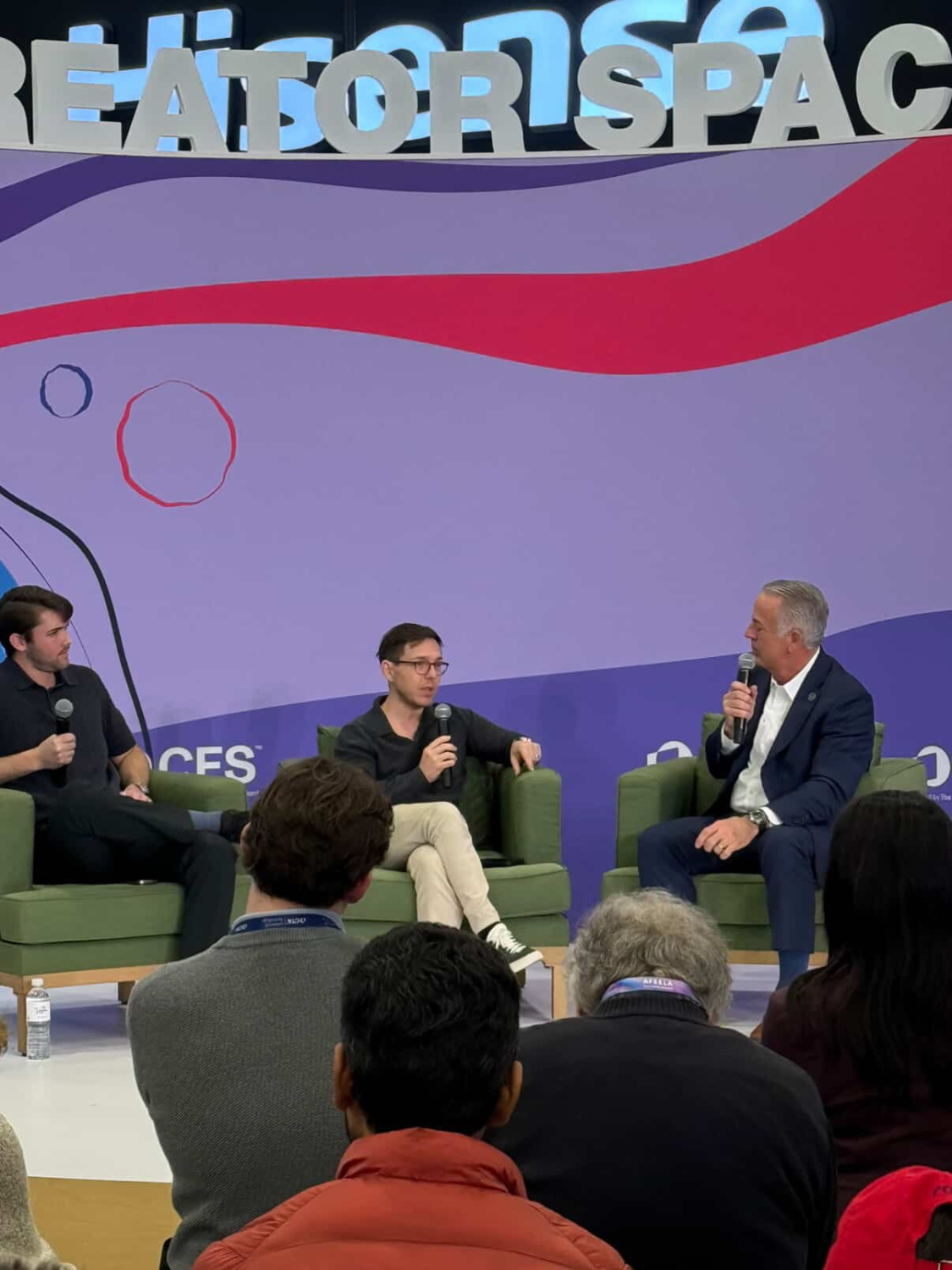
Governor Joe Lombardo, Jack Selby, and Graham Stephan at CES 2026
CES 2026 highlighted the increasing convergence of public leadership, financial innovation, and the creator economy—most visibly within the Creator Space at the Las Vegas Convention Center.
One of the most notable moments was an interview with Nevada Governor Joe Lombardo, conducted within the Creator Space environment. The conversation focused on Nevada’s evolving role in technology, innovation, digital assets, and economic development, signaling a growing alignment between state leadership and emerging creator-led technology ecosystems.
Governor Lombardo’s participation reflected a broader shift at CES: policymakers are no longer peripheral observers of innovation, but active participants in conversations shaping digital infrastructure, entrepreneurship, and workforce transformation.
The Creator Space also served as a gathering point for influential voices in finance and digital media, including Jack Selby and Graham Stephan. Both figures continue to shape discourse around financial literacy, investing, and digital influence through large-scale creator platforms and investor networks.
Their presence underscored how creators with financial expertise are increasingly acting as bridges between capital markets, public education, and emerging technology adoption. At CES, these conversations emphasized transparency, access, and the role of trusted voices in helping audiences navigate increasingly complex financial and technological systems.
Together, these moments illustrated how CES 2026 is redefining influence: where governance, finance, and creator-led media intersect to shape public understanding and policy considerations around technology.
3. Applied AI & Storytelling Meets Swiss Precision
At The Venetian on Friday, Alter New Media connected with Sami Arpa, CEO and Co-Founder of Largo.ai — a Switzerland-based AI startup using cognitive modeling to help creatives make smarter content decisions.
Rather than generative output for its own sake, Largo’s approach prioritizes audience resonance, narrative clarity, and data-informed creativity.
“AI is not a replacement for intuition,” Arpa told us. “It’s a partner in making deeper, more human work possible.”
4. Sphere, AI, and the Convergence of Sports + Culture
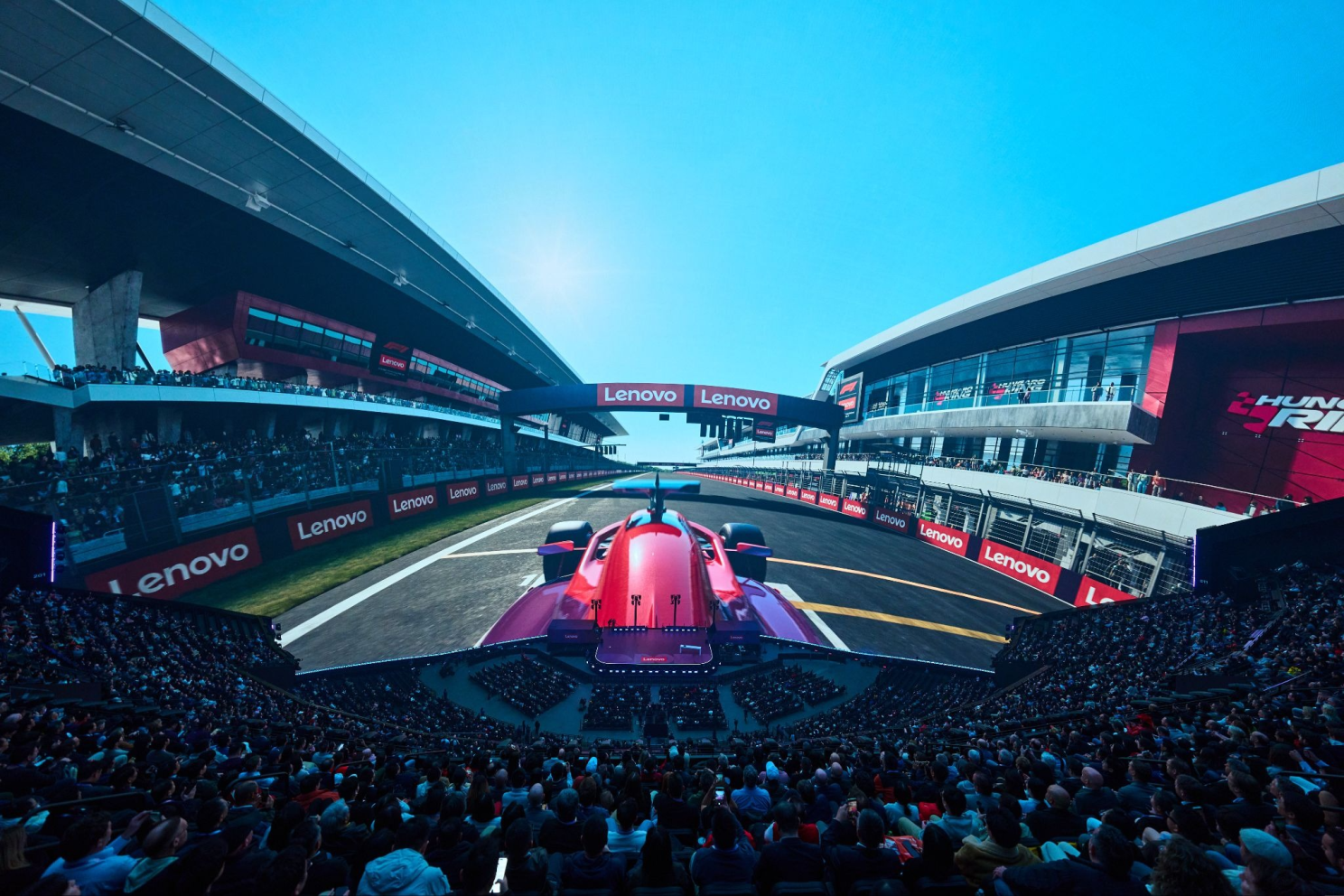
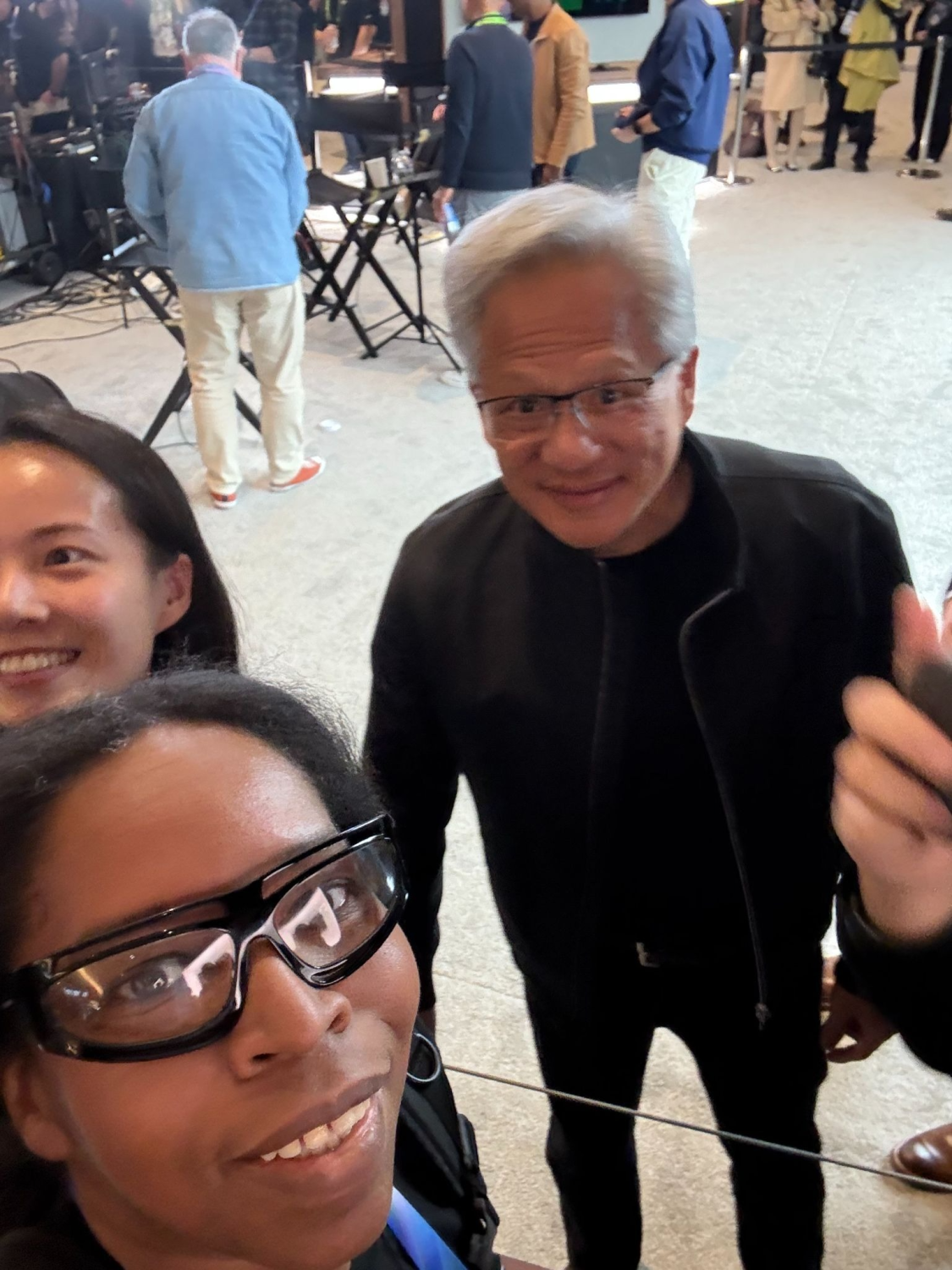
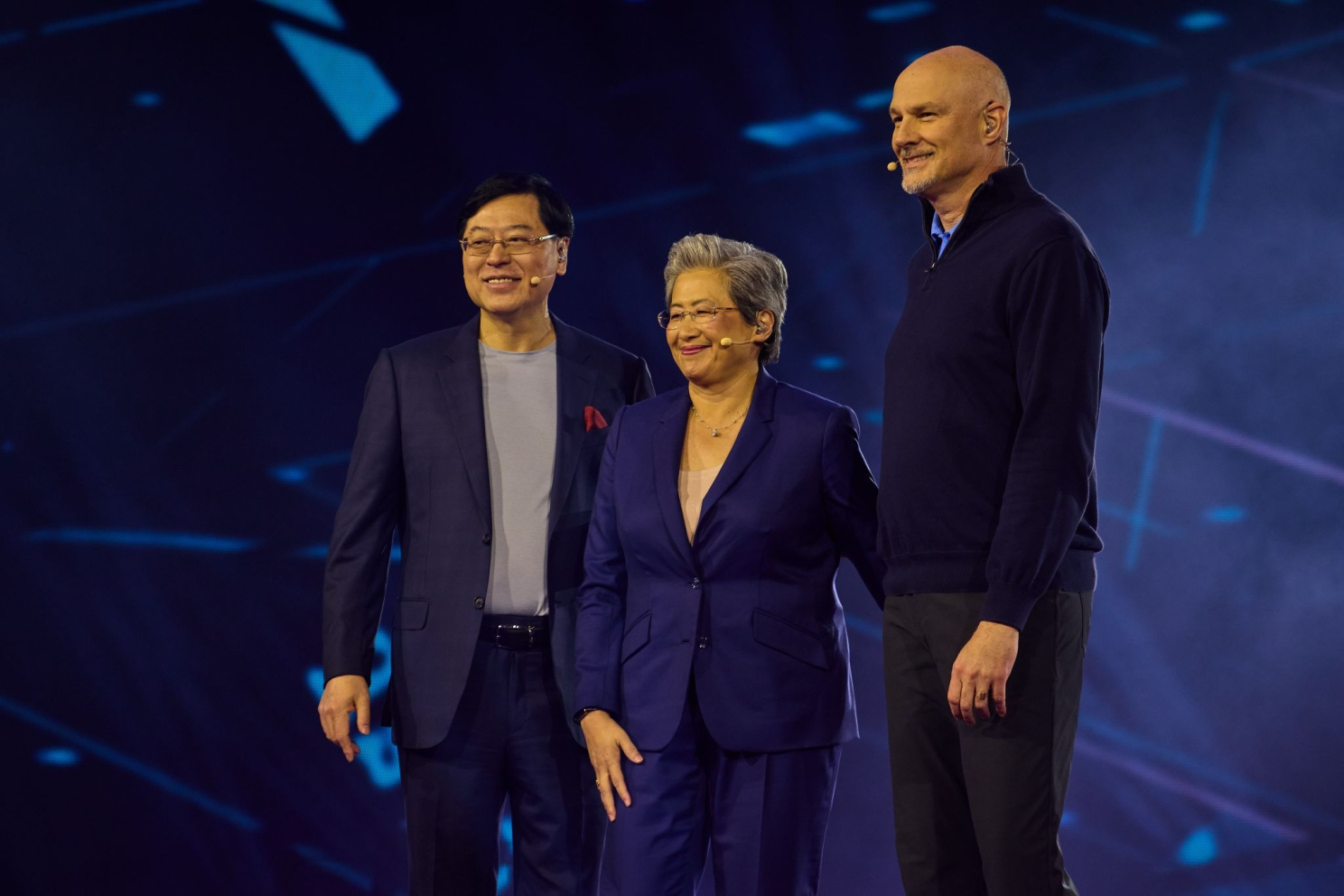
One of the most talked-about moments came from the Lenovo Sphere at Sphere Las Vegas on Tuesday — a gathering where enterprise tech, immersive storytelling, and live culture collided.
Speakers included:
-
Yang Yuanqing — Chairman & CEO, Lenovo
-
Jensen Huang — CEO & Co-Founder, NVIDIA
-
Stefano Domenicali — President & CEO, Formula 1
Their panel showcased how AI, high-performance compute, and real-time data are transforming both enterprise computing and global entertainment. Complemented by a Gwen Stefani performance, the event highlighted how technology and culture now co-create experiences at scale.
5. Anti-Aging Tech Is Now Mainstream Wellness
Across the show floor, longevity and wellness technology took on new shape:
-
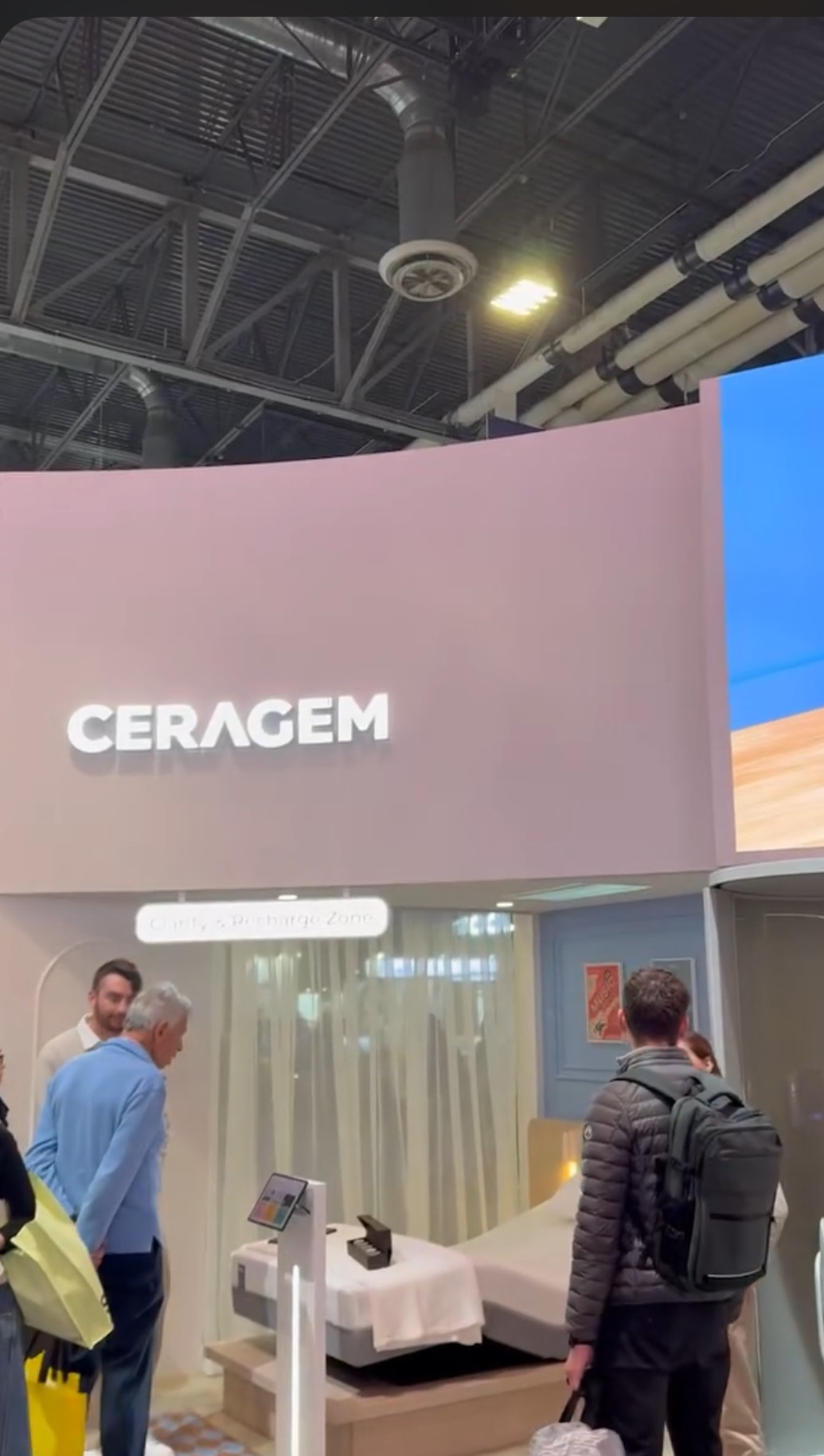
Ceragem captivated audiences with large-scale presence and demonstration areas focused on regeneration, circulation, and lifelong wellness.
-
Bodyfriend showcased consumer-friendly recovery tech blending robotics, massage science, and stress resiliency.
-
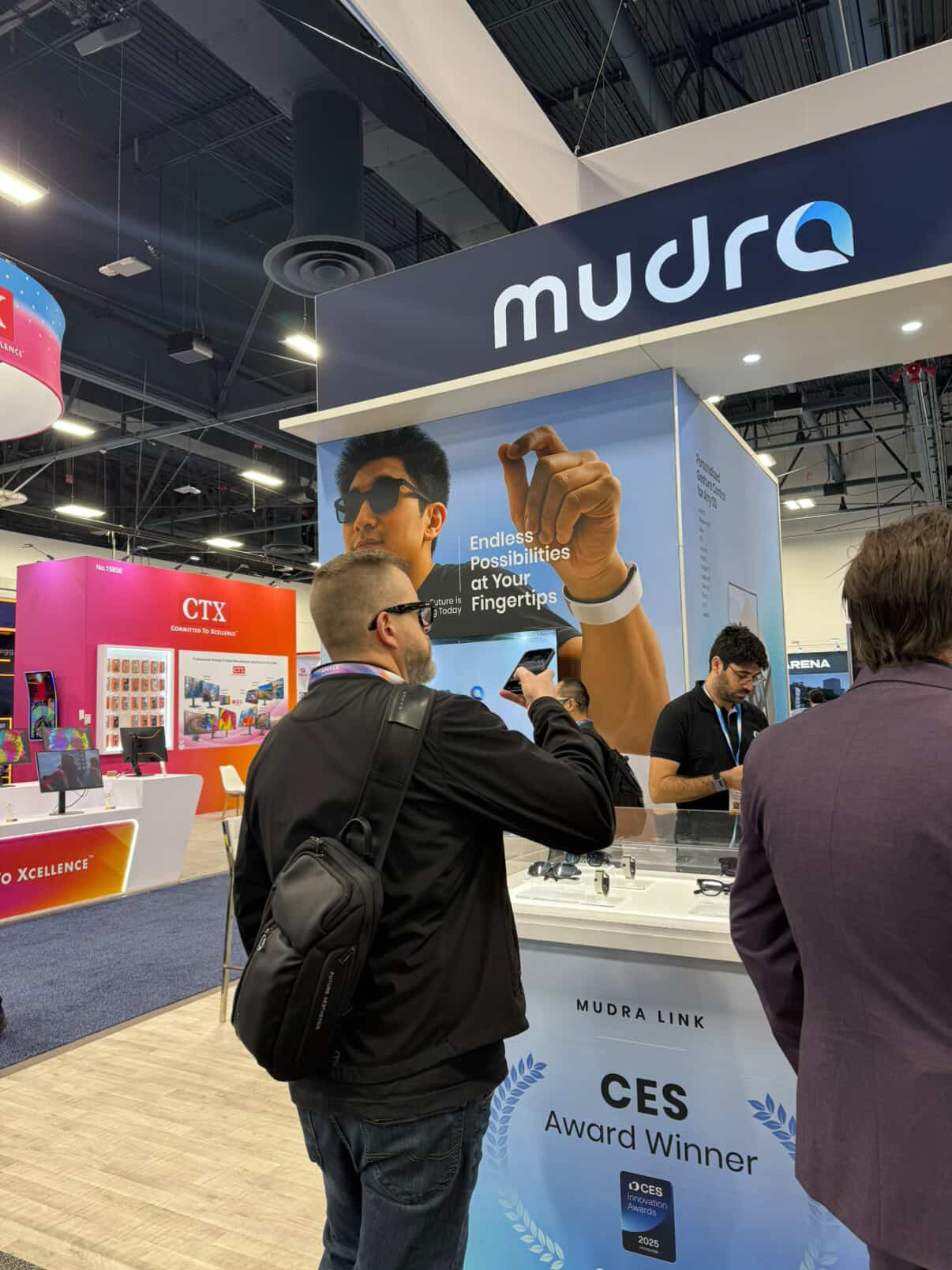
Mudra brought gesture-based control into everyday interaction.
-
Y-Brush used “smart nose tech” to rethink oral care as a connected health experience with real-time sensory feedback.
These innovations signal a shift toward preventative, data-enhanced health routines — a category we see becoming central to how technology supports longevity.
6. Responsible AI & Privacy Takes a Stand
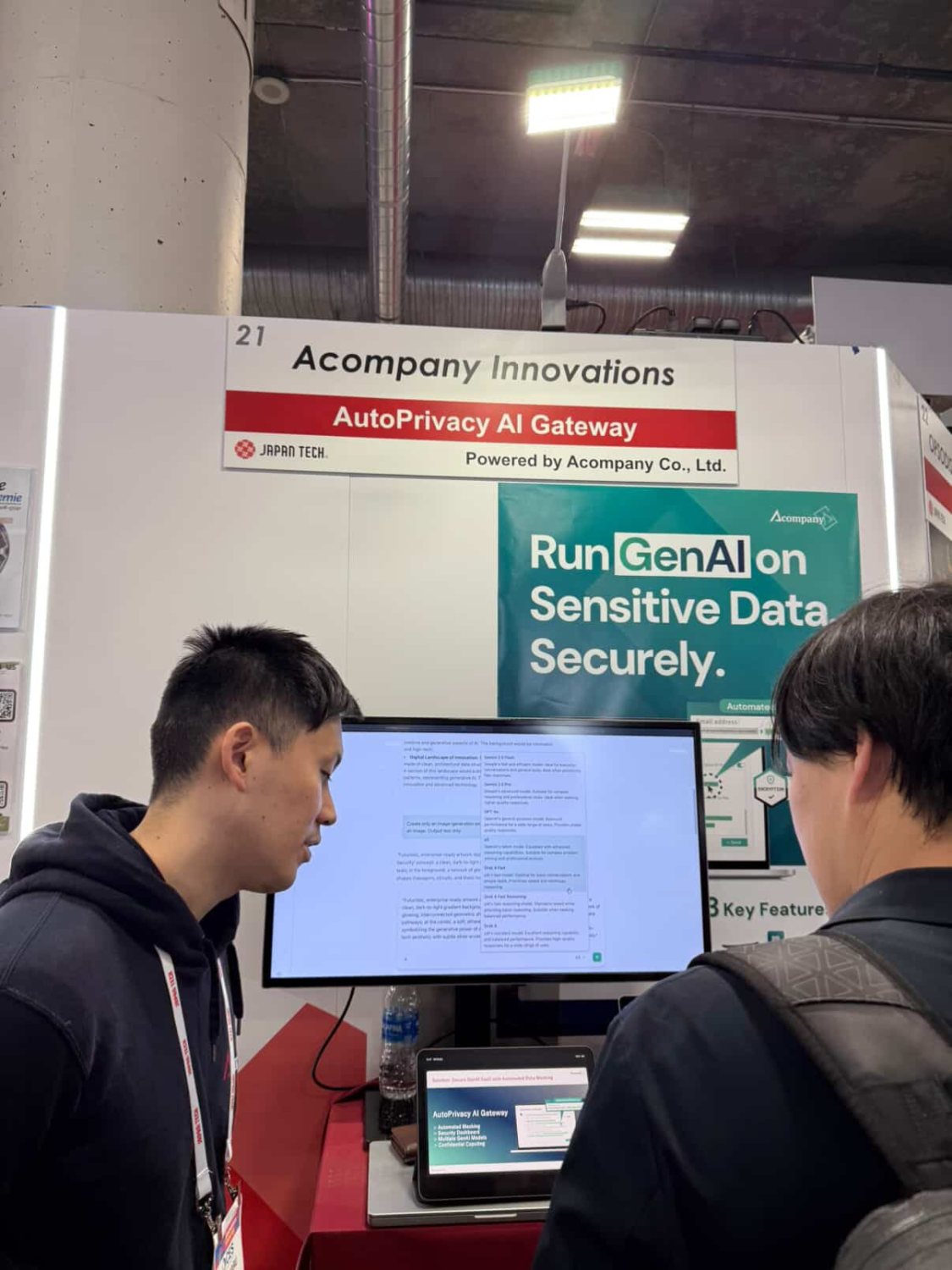
At The Venetian, Acompany Innovations introduced the AutoPrivacy AI Gateway, spotlighting how governance, trust, and design must be woven into AI from the start — not retrofitted later.
This theme of trust echoed across conversations with founders tackling:
-
cybersecurity intelligence
-
edge deployment ethics
-
transparent data handling
7. Founder Conversations That Mattered
Alter New Media spoke with founders who are approaching technology not as shiny tools, but as purposeful systems:
-
Angelica De Riggi — Founder, AI Tails: AI-driven health insights for pets
-
Ivan Shkvarun — Founder, Social Links: Security intelligence for complexity
-
Sami Arpa — Founder, Largo.ai: Cognitive AI for creative decision support
Their work exemplifies a crucial CES insight: clarity of purpose shapes technology more than technology shapes purpose. Click the links at the end of this article to view the interviews!
8. What CES 2026 Foreshadows for the Rest of the Year
-
Precision over breadth: Narrow, impactful use cases are gaining trust and adoption.
-
Trust as a design pillar: Especially in health, finance, and identity spaces.
-
Leadership as judgment: CEOs are deciding what not to build as much as what to pursue.
-
Policy needs collaboration: Innovation is outpacing regulation — partnership is essential
9. Japan Tech Project — LVCC (Wednesday)
Precision, Experience & Culture-Driven Innovation
One of the standout moments from CES 2026 was the Japan Tech Project at LVCC — a curated showcase representing a cross-section of Japanese technology that blends engineering excellence with human experience. Unlike many areas at CES focused on flashy headlines, this project emphasized purpose, refinement, and experience design.
What It Was
The Japan Tech Project wasn’t a typical vendor row — it was a purposeful assembly of hardware, wellness tech, sensory systems, and experiential activations. The brands featured there weren’t trying to impress with gimmicks; they were demonstrating how tech meets everyday life in thoughtful, intuitive ways.
Who We Saw (and Why They Mattered)
Opsodis
A leader in audio and sensory innovation, Opsodis showed how high-fidelity perception systems can enhance human-machine interaction. Their demonstrations highlighted how better sensory tech can elevate everything from media experiences to assistive systems.
FYF Corp.
A company focused on human health and performance optimization, FYF showcased technologies aimed at enhancing everyday physical balance, biomechanics, and wellness outcomes — contributing to longevity as practical, daily tech rather than boutique wellness offerings.
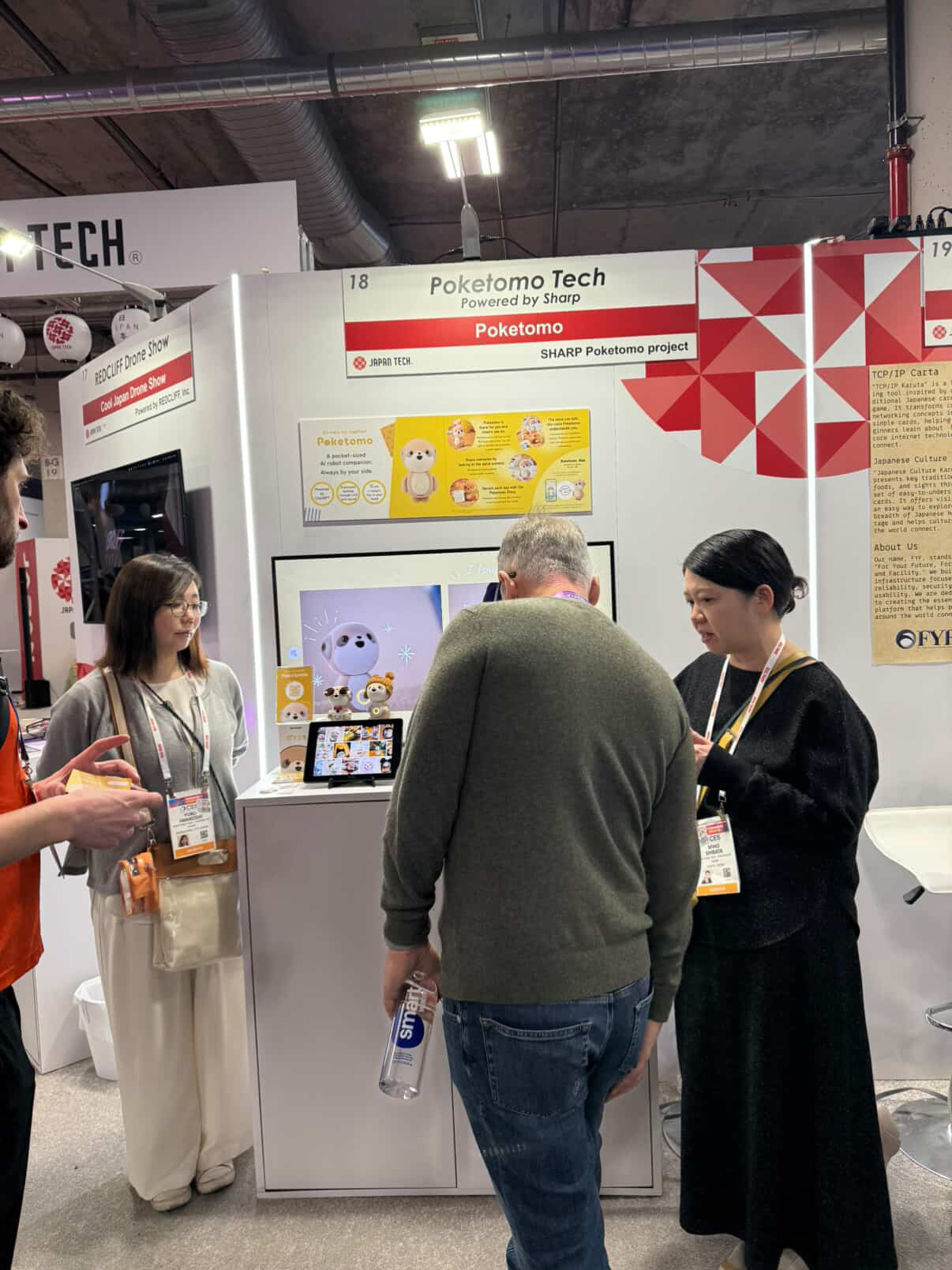
Poketomo Tech (Presented by Sharp)
-
Poketomo’s activation, supported by Sharp, demonstrated intuitive wearable and assistive technologies designed to keep users connected to the people and environments that matter. These weren’t novelty products — they were tools with clear use cases for connection, safety, and quality of life.Toraru
-
Toraru’s experience-based tech woven narrative and sensory feedback into wearable or spatial applications. Their demonstration wasn’t about the spectacle of the tech itself — it was about how presence, movement, and technology can co-exist in service of wellbeing.RedCuff Drone Show
One of the most memorable activations was the RedCuff Drone Show, a precisely choreographed aerial performance that brought together scale, precision, and immersive storytelling without ever losing sight of user experience. It wasn’t just fancy visuals — it was a demonstration of coordination, control, and real-world scheduling/placement systems that are increasingly relevant to logistics, entertainment, and public experiences.
The Experience
Unlike many CES pavilions that prioritize spectacle, the Japan Tech Project felt intentional and grounded. Beer was served on the floor — not as a gimmick, but as a cultural invitation to engage. Conversations there weren’t just about specs or trend headlines: they were about how design choices affect people’s lives.
The project communicated something subtle but important:
Innovation in technology is about how it feels in everyday life.
Brand, Beauty, Tech Innovation, and Applied AI
L’Oréal’s presence at CES 2026 reinforced the beauty industry’s accelerating shift toward data-driven personalization and applied artificial intelligence. Through a series of private activations and technology-focused discussions, the company demonstrated how AI, data, and immersive technology are being leveraged to reshape product development, marketing, and consumer engagement.

What It Signaled
This section of CES reframed innovation from “what’s the next shiny thing?” to “what’s the next useful thing?”
It reinforced two key takeaways:
1. Precision First
Japanese tech in this showcase prioritized reliability and depth over flash. This kind of engineering discipline is increasingly relevant in AI infrastructure, medical devices, and integrated system design — areas that will define real impact in 2026.
2. Experience as Core Design
Whether in audio systems, mobility/assistive wearables, or coordinated drone performance, the experiences shown at the Japan Tech Project were more human centered than many other areas of the CES floor.
Signal from Japan:
-
At a moment when buzzwords dominate CES hallways, the Japan Tech Project reminded us that meaningful innovation often hides in disciplined engineering and human-centered design — not in headlines.Human-Centered AI and the Future of Work
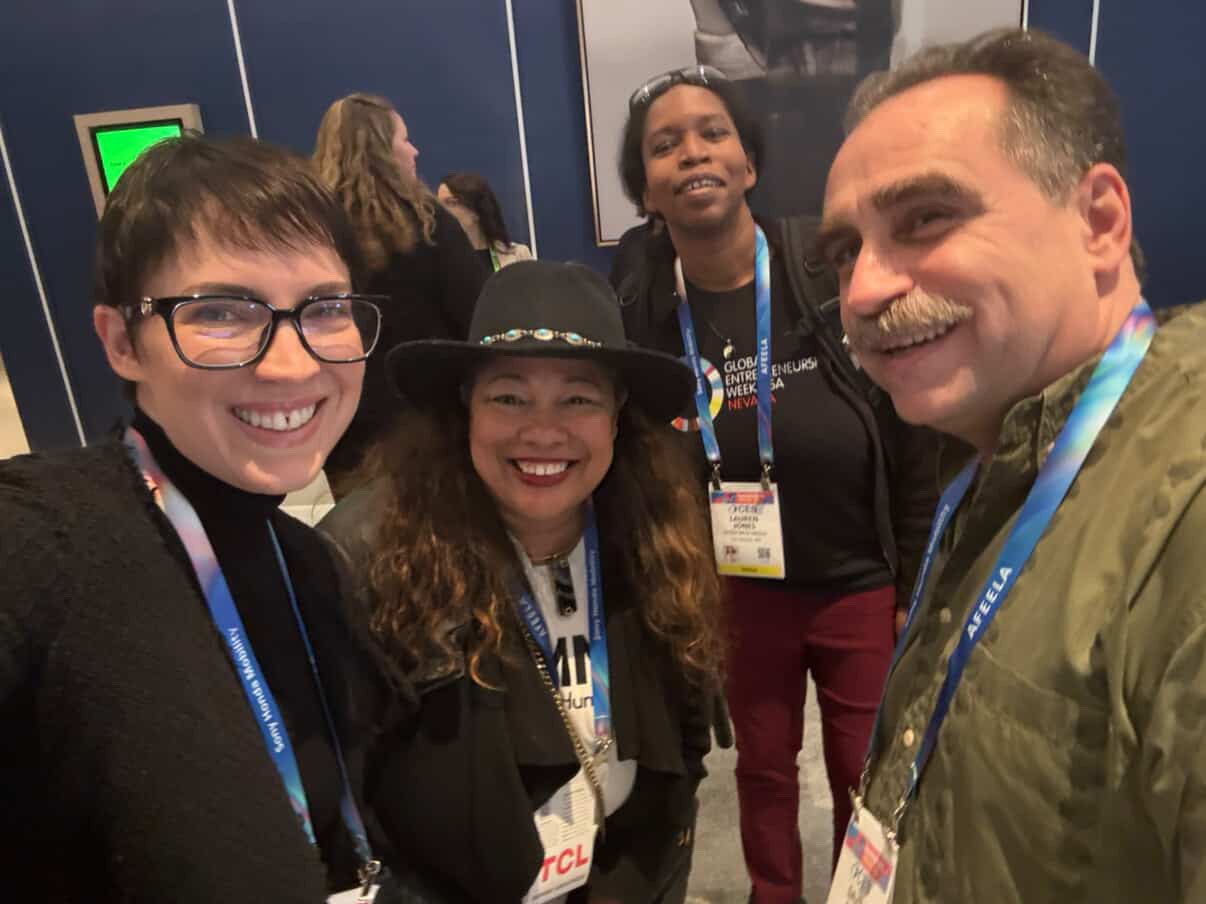
Karla Ballard and HUMN at CES 2026
-
Amid the emphasis on artificial intelligence, automation, and infrastructure at CES 2026, one of the most notable counterpoints came from Karla Ballard, founder of HUMN, whose work centers on the human implications of technological change.
HUMN operates at the intersection of workforce development, emotional intelligence, and responsible AI adoption. Rather than positioning artificial intelligence as a replacement for human labor, the company focuses on how organizations can integrate AI while maintaining clarity, empathy, and alignment among their teams.
Ballard’s presence at CES highlighted a growing recognition across industries: as AI systems become more embedded in daily operations, the success of those systems depends as much on human readiness as on technical capability. HUMN’s approach addresses this gap by supporting leadership development, communication frameworks, and emotional resilience in workplaces undergoing rapid technological transformation.
At CES, conversations around HUMN reflected a broader shift in how innovation leaders are thinking about the future of work. The emphasis is moving away from speed and scale alone, and toward sustainability, ensuring that technological advancement does not outpace organizational culture or employee well-being.
By centering its work on people, HUMN represents an emerging category of innovation focused on long-term adaptation rather than short-term disruption.
ChargerGogo Party at CES 2026

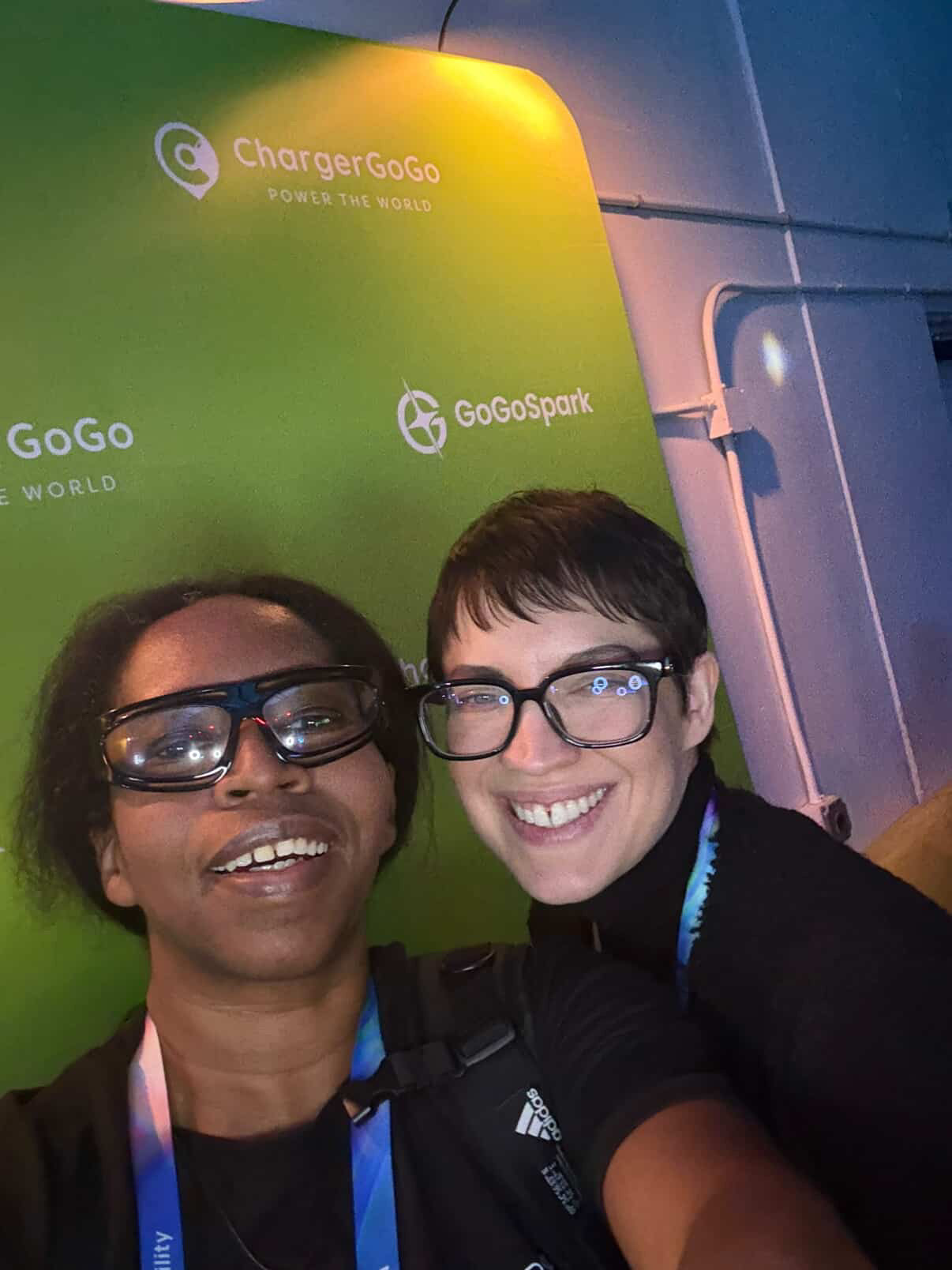
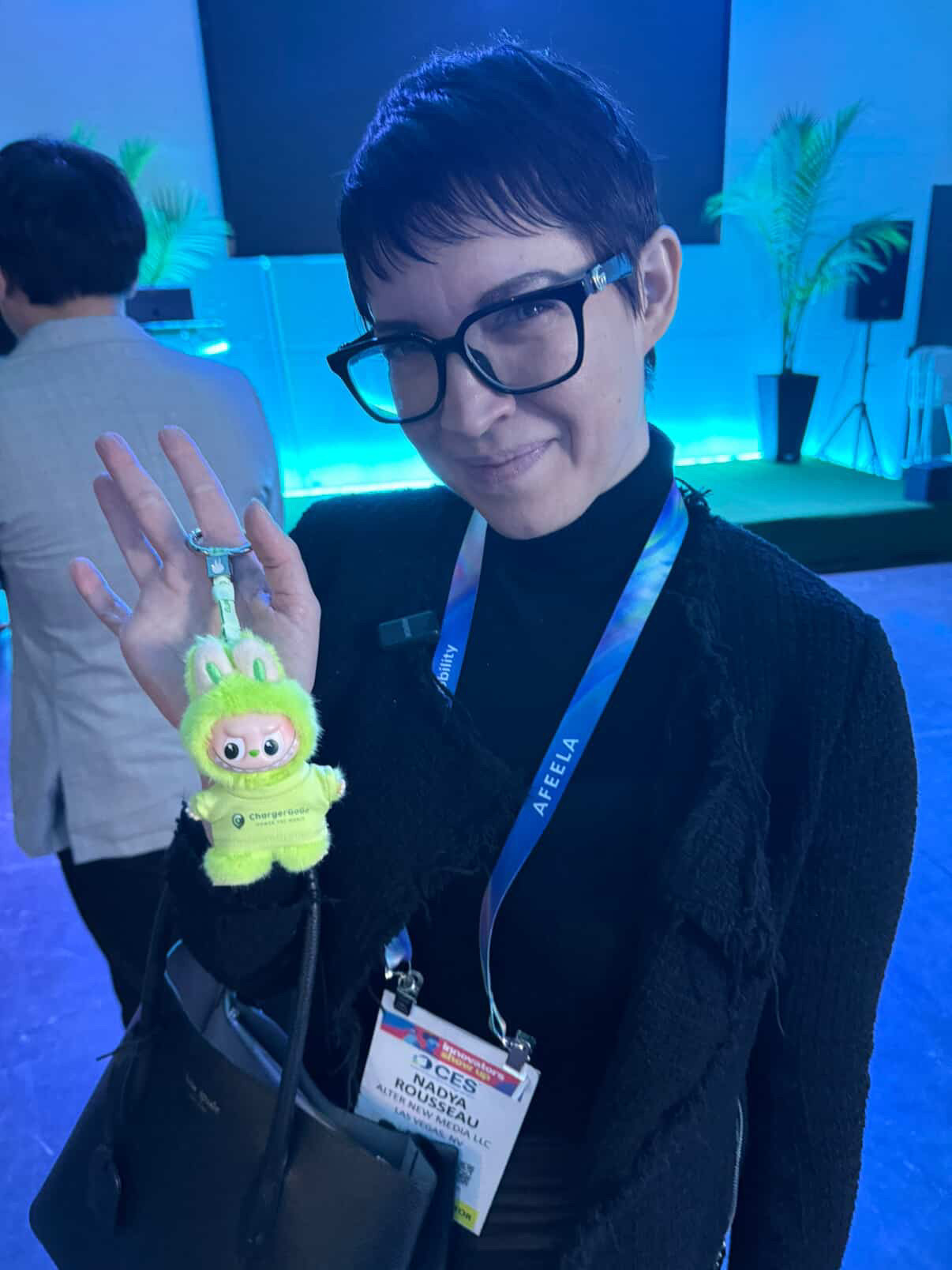
Beyond the convention floor, CES 2026 continued to demonstrate that meaningful innovation is often advanced through relationships and cultural exchange, not just technology showcases. One notable example was the ChargeGogo Party, which brought together leaders from technology, policy, fashion, music, and creative industries in an informal, cross-sector setting.
The event convened a diverse mix of attendees, including Nevada Lieutenant Governor Stavros Anthony, along with entrepreneurs, investors, creators, and cultural leaders. The gathering reflected CES’s broader ecosystem, where business development and collaboration frequently occur outside formal panels and exhibition halls.
Rather than centering on product demonstrations, the ChargeGogo Party functioned as a relationship-building environment—creating space for conversations that bridge technology, culture, and civic leadership. Music, fashion, and culinary experiences contributed to an atmosphere that encouraged connection across disciplines and backgrounds.
At CES 2026, events like the ChargeGogo Party underscored the importance of community as a catalyst for innovation. While emerging technologies may initiate change, it is often informal dialogue and trust-based relationships that enable ideas to move forward beyond the conference itself.
Looking Ahead
As Alter New Media approaches its ten-year mark, CES reinforced something we’ve been sharpening into our work: true innovation is intentional, discerning, and aligned with impact.
Whether in AI integration, creator infrastructure, or human-centered technology, the signal from CES isn’t “what’s new” and “what matters.”
Watch founder interviews from CES here:
AI vs Cyber Threats: The New Frontline of Digital Security